
Introduction: Why Discipline Feels So Hard (And Why You’re Not Weak)
If you’re young and trying to grow, improve, or “get your life together,” discipline probably feels heavier than it should.
You might feel like:
- You start strong, then crash
- You know what to do, but can’t stay consistent
- You feel guilty when you rest
- You feel ashamed when you fall behind
And somewhere along the way, you started believing:
“Something must be wrong with me.”
But here’s the truth most people never say out loud:
Self-discipline is hard for you because you were never taught how to practice it without self-destruction.
School taught deadlines, not sustainability.
Social media glorified hustle, not health.
And many of us grew up thinking discipline meant pressure, punishment, or proving our worth.
So this blog is not about becoming stricter or harsher with yourself.
It’s about learning a healthier, truer version of discipline — one that builds your future without burning you out.
If you’ve ever thought:
- “Why can’t I stay consistent like others?”
- “Why does growth feel so exhausting?”
- “Am I just lazy or broken?”
You’re not lazy.
You’re learning something no one taught you.
Why So Many Young People Feel Guilty for Resting
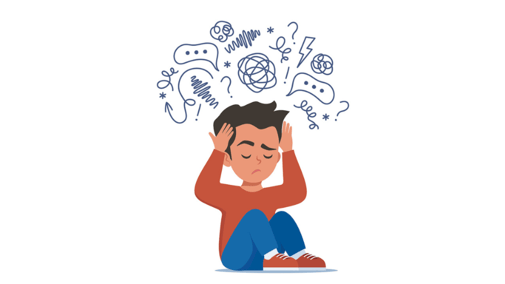
One of the quiet reasons discipline feels so painful for young people is guilt.
Guilt for resting.
Guilt for slowing down.
Guilt for not always being productive.
Somewhere along the way, many of us learned that rest must be “earned.” That unless we’ve done enough, we don’t deserve to pause. But this mindset slowly turns discipline into exhaustion and rest into shame.
The truth is, rest is not a reward — it is a requirement.
Research on burnouts: WHO defines burnout
You are not a machine. Your mind, body, and spirit all need space to breathe. When you ignore that, discipline turns into resentment. You start associating growth with pain instead of purpose.
Healthy discipline includes knowing when to stop. It includes listening to your limits instead of constantly overriding them. Especially at a young age, learning how to rest well is just as important as learning how to work hard.
If discipline is about self-respect, then rest is one of the clearest forms of it.
This struggle is closely connected to uncertainty and pressure about the future, which I explore more deeply in Learning to Live With Uncertainty: How to Stay Grounded When You Don't Know What's Next.
Discipline Is Not Control — It’s Care
Most people misunderstand discipline from the very beginning.
We think discipline means:
- Forcing yourself
- Ignoring emotions
- Grinding through exhaustion
- Never slowing down
But that version of discipline is rooted in fear — fear of falling behind, fear of being judged, fear of not being enough.
Healthy discipline is rooted in care.
Real discipline says:
“I care about my future enough to show up today.”
It’s not about punishing your present self.
It’s about protecting your future self.
When discipline becomes self-respect, it looks like:
- Doing a little even when you don’t feel like it
- Resting before you collapse
- Being honest about your limits
- Adjusting instead of quitting
Burnout happens when discipline becomes violence against yourself instead of partnership with yourself.
Why Hustle Culture Quietly Destroys Young People
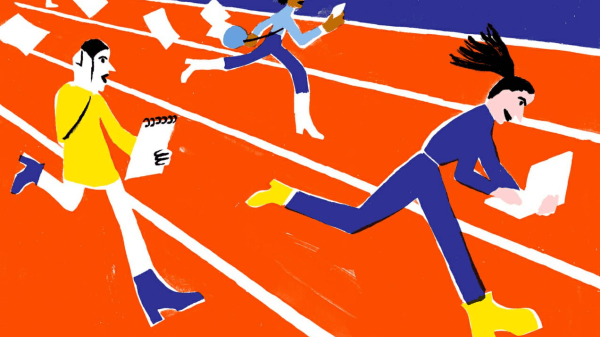
Hustle culture tells you:
- Sleep less
- Do more
- Push harder
- Be obsessed
But it never tells you:
- How to sustain effort
- How to recover
- How to handle failure
- How to live with peace
Young people burn out not because they lack ambition — but because they care deeply without guidance.
You don’t need more pressure.
You need better systems.
Self-discipline that destroys your mental, emotional, or spiritual health is not discipline — it’s slow self-sabotage.
Motivation Is a Feeling — Discipline Is a Skill

One of the biggest lies we’re taught is:
“Once you feel motivated, you’ll be consistent.”
Motivation is emotional.
Discipline is learnable.
Motivation:
- Depends on mood
- Fades under stress
- Disappears when life gets messy
If you wait to feel ready, inspired, or confident — you’ll wait forever.
Discipline is built when you learn how to act without emotional permission.
That doesn’t mean ignoring your feelings.
It means not letting them decide your entire future.
A healthier approach:
“I don’t need motivation. I need a small next step.”
That mindset alone can save you from burnout.
Start Ridiculously Small (This Is Where Most People Fail)
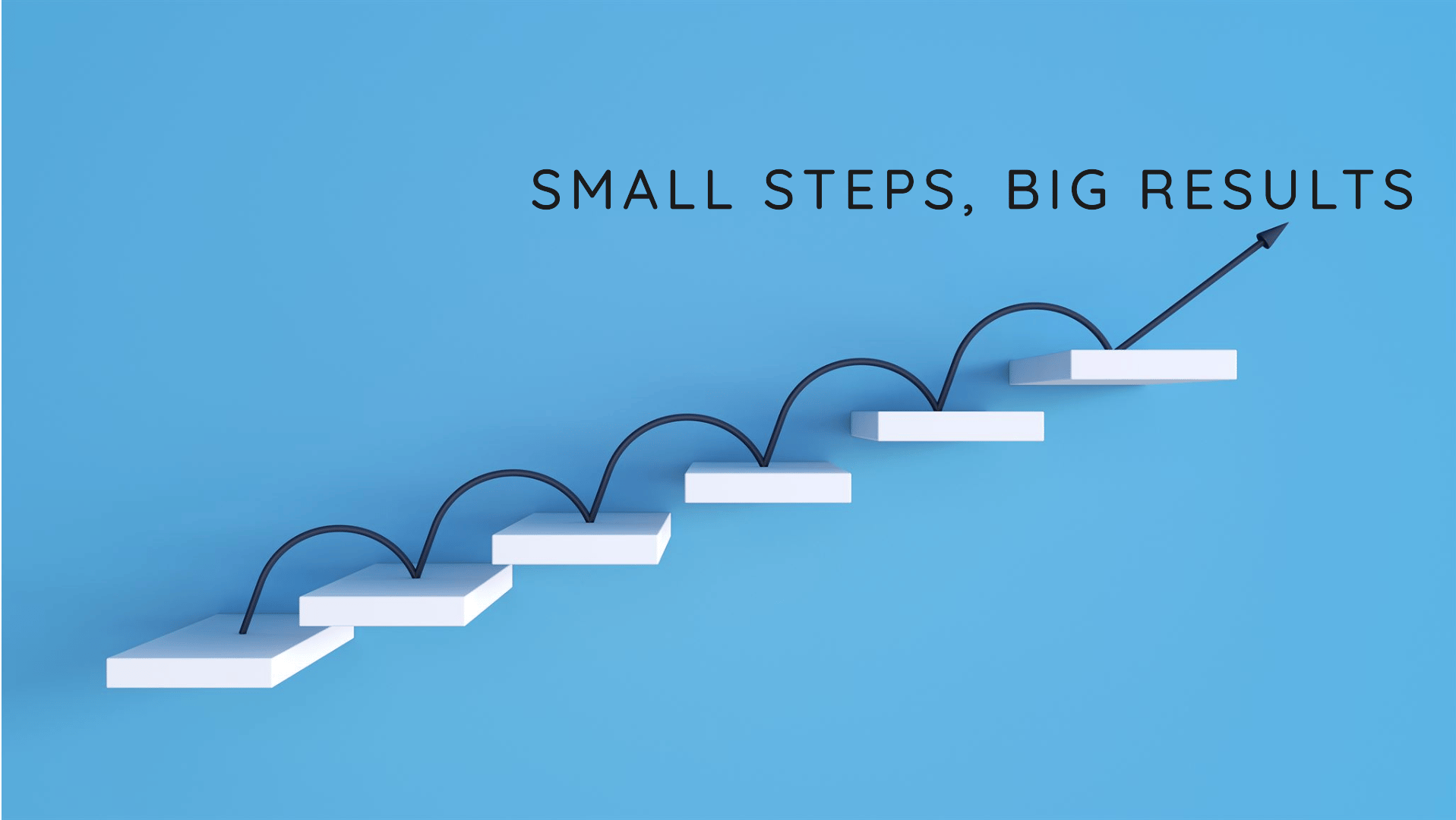
Most burnout begins with unrealistic expectations.
You think discipline means:
- Big changes
- Extreme routines
- Overnight transformation
So you try to change everything at once — and collapse.
Sustainable discipline grows from small promises kept consistently.
Examples:
- 5–10 minutes of focus
- One habit at a time
- One clear priority per day
Small actions build:
- Self-trust
- Confidence
- Emotional safety
habit formation research shows: The Power of habits
When you keep breaking promises to yourself, discipline feels painful.
When you keep small promises, discipline feels empowering.
Growth is not about intensity.
It’s about repeatability.
If you feel "behind" because you can't move as fast as other, this mindset shift may help: You're Not Behind—You're Just Starting.
Discipline Without Identity Will Drain You

One reason discipline feels exhausting is because many young people don’t know why they’re doing what they’re doing.
If your discipline is driven by:
- Comparison
- Fear of falling behind
- People’s expectations
You’ll feel empty even when you succeed.
But when discipline is connected to identity, it becomes meaningful.
Ask yourself:
- Who am I becoming through this habit?
- What values am I honoring?
- What kind of life am I building?
Discipline is not about doing more.
It’s about becoming someone you respect.
Faith deepens this even more.
When your identity is rooted in God, discipline becomes stewardship — not self-worth.
You’re not earning value.
You’re honoring the life entrusted to you.
Structure Is Not the Enemy — Chaos Is
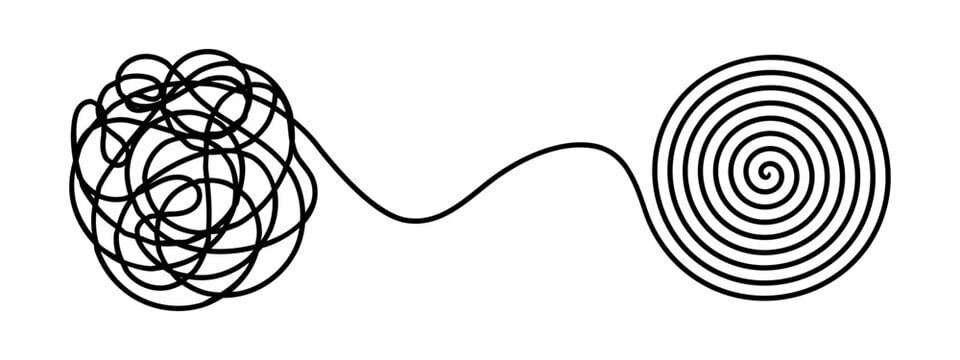
Many young people resist structure because they fear it will trap them.
But lack of structure is what causes:
- Overthinking
- Procrastination
- Anxiety
- Burnout
Gentle structure creates freedom.
Healthy discipline includes:
- Time blocks, not rigid schedules
- Clear priorities, not endless to-do lists
- Start and stop times
Structure gives your mind safety.
It removes constant decision fatigue.
Discipline is not about controlling every minute.
It’s about creating clarity and calm.
What Happens When You Lose Motivation (And How Not to Panic)
Here’s something no one talks about enough: motivation will leave you.
Not because you failed.
Not because you’re incapable.
But because motivation is emotional — and emotions fluctuate.
Many young people panic when motivation fades. They assume something is wrong with them. They jump from goal to goal, searching for that “spark” again.
But loss of motivation is not a sign to quit — it’s a signal to lean on your systems.
This is where habits quietly take over. When motivation is low:
- habits reduce decision fatigue
- systems remove the need to “feel like it”
- discipline becomes gentler, not harsher
Instead of asking, “Why don’t I feel motivated?”
Ask, “What’s the smallest version of this habit I can still do today?”
Five minutes still counts.
One page still counts.
One prayer still counts.
Consistency doesn’t mean intensity. It means returning.
Rest Is Part of Discipline (Not the Opposite)

One of the most damaging beliefs young people carry is:
“If I rest, I’ll fall behind.”
So they push until they collapse.
Rest is not quitting.
Rest is maintenance.
Without rest:
- Discipline becomes resentment
- Growth becomes bitterness
- Progress becomes fragile
Biblical wisdom shows us this clearly:
Even God rested.
True discipline includes:
- Sabbath
- Breaks
- Silence
- Reflection
You don’t grow faster by never stopping.
You grow longer by resting wisely.
Emotional Discipline: Showing Up Without Self-Hate
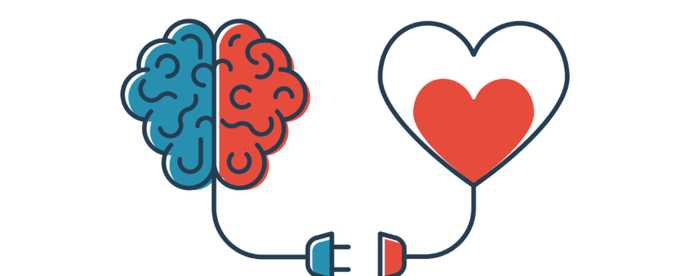
Self-discipline is not just physical — it’s emotional.
Emotional discipline means:
- Not quitting because you feel discouraged
- Not punishing yourself for bad days
- Not letting shame lead your decisions
Emotional discipline is closely tied to emotional strength, which I explain further in How to Be Emotionally Strong When You're Young (Even If Life Is Messy).
Some days, discipline looks like:
- Doing less
- Asking for help
- Choosing rest over pressure
That still counts.
You don’t need to be perfect.You need to be present.
Why Burnout Often Comes From Doing Life Alone
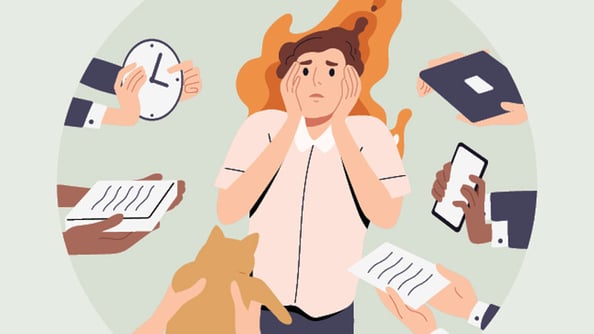
Here’s a hard truth:
Burnout often happens in isolation.
When you don’t have:
- Mentorship
- Accountability
- Emotional support
Everything feels heavier.
You were never meant to grow alone.
Guidance doesn’t make you weak.
It makes you sustainable.
Check out: How to reduce stress and burnout.
Faith-Based Discipline: Walking With God, Not Racing Ahead
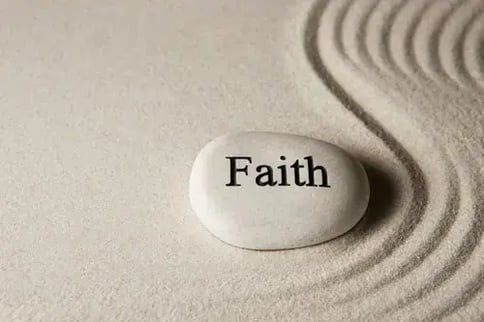
Faith reminds us:
- Growth takes time
- Seasons matter
- You are not late
God doesn’t rush you.
He walks with you.
Discipline with faith is not about speed.
It’s about obedience, consistency, and trust.
Grace doesn’t remove discipline.
Grace makes discipline livable.
If you're trying to balance faith with a busy or demanding life, you may find this helpful: Faith x Life — How to Balance Spiritual Growth with a Busy Schedule.
Personal Reflection: Why I Care About This Deeply
I didn’t learn discipline the healthy way.
I pushed too hard.
I burned out.
I felt alone.
I felt behind.
No one taught me how to grow without losing myself.
I learned through exhaustion, prayer, reflection, and failure.
That’s why I share this now.
Because you shouldn’t have to suffer to grow.
Final Encouragement: Discipline Is Built, Not Forced
If you remember one thing, let it be this:
You are not lazy.
You are not broken.
You are learning.
Self-discipline is not about becoming harsher.
It’s about becoming wiser.
If you’re in a season where you feel overwhelmed, confused, or stuck — I understand. And if you want guidance, reflection, or mentoring support, you don’t have to walk alone.
Sometimes the strongest discipline
is asking for help!

Leave a Comment