
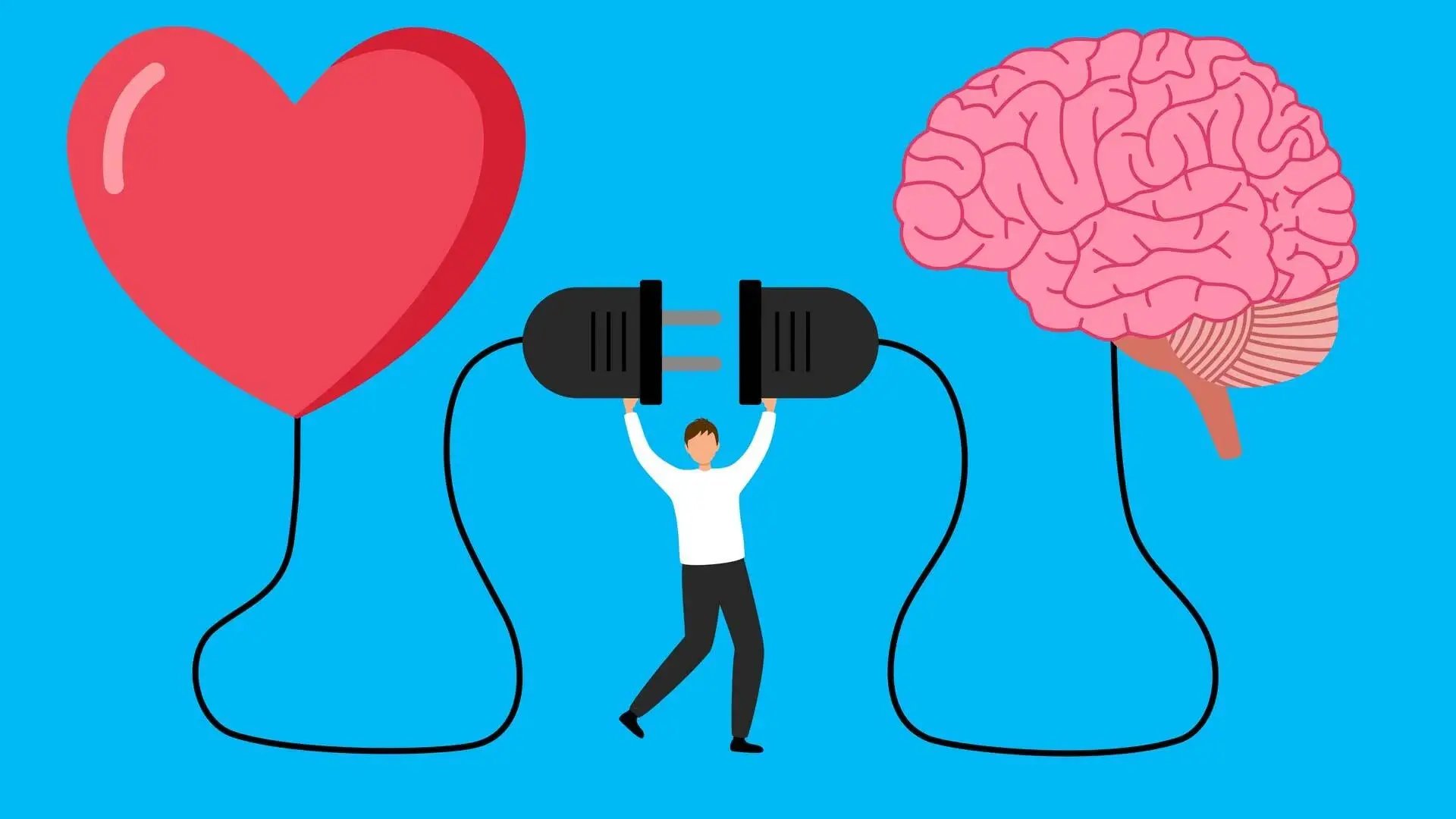
Introduction: Why So Many Young People Feel Lost (Even If They’re “Doing Fine”)
No one really prepares you for real life.
School teaches you how to memorize information, pass exams, and follow instructions. Social media shows you highlight reels of people your age “winning” — starting businesses, traveling the world, getting into top schools, or looking like they have everything figured out. Parents often mean well, but many were never taught emotional or mental skills themselves, so they don’t always know how to guide you in those areas.
And somewhere in the middle of all this, you’re expected to figure out who you are, what you’re doing, and where you’re going.
If you’ve ever felt:
-
confused but pressured to act confident
-
emotionally overwhelmed but expected to “be strong”
-
behind in life even though you’re still young
You’re not broken. You’re missing life skills no one taught you.
This blog is for the teen or young adult who thinks:
-
“Everyone else got a manual except me.”
-
“I should have my life together by now.”
-
“Why is this so hard for me?”
You’re not weak. You’re learning — just without guidance. And learning without guidance can feel lonely, frustrating, and exhausting.
The good news? These skills can be learned. And once you start learning them, everything begins to make more sense.
Emotional Awareness: Understanding What You Feel (Instead of Suppressing It)
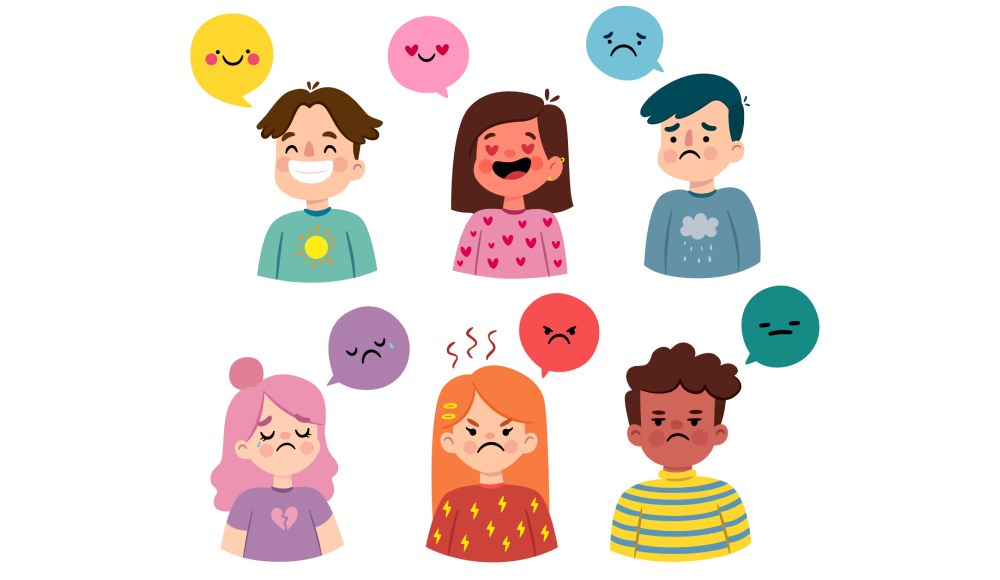
Most of us were never taught how to name our emotions, let alone process them.
Growing up, many of us heard things like:
-
“Don’t cry.”
-
“Be grateful.”
-
“Others have it worse.”
-
“You’re too sensitive.”
While these phrases may have been meant to help, they often taught us to ignore our emotions instead of understand them.
But emotions don’t disappear when ignored. They don’t vanish just because you push them down. Instead, they show up later as:
-
anxiety
-
anger
-
numbness
-
burnout
-
sudden emotional breakdowns
Emotional awareness is the skill of noticing what you feel without judging yourself for it.
It looks like:
-
pausing to ask, “What am I actually feeling right now?”
-
recognizing patterns in your emotions
-
understanding triggers instead of reacting automatically
-
learning how to respond instead of explode or shut down
Emotional strength is not pretending you’re okay.
It’s being honest with yourself before life forces honesty out of you.
When you learn to name your emotions, you regain control. What you can name, you can manage.
Blog 2: How to Be Emotionally Strong When You’re Young (Even If Life Is Messy)(internal link here)
Identity: Knowing Who You Are Before the World Tells You Who to Be

One of the biggest struggles young people face today is identity confusion.
From a young age, you’re constantly asked:
-
What are you studying?
-
What do you want to be?
-
What’s your plan?
-
What’s next?
But rarely does anyone ask:
-
Who are you becoming?
-
What do you value?
-
What kind of life do you actually want?
-
What matters to you beyond success?
Without a strong sense of identity, it’s easy to:
-
chase validation
-
compare yourself constantly
-
say yes when you mean no
-
feel lost even when you’re “doing well”
Many people look successful on the outside but feel empty inside — not because they failed, but because they built a life around expectations instead of identity.
Your identity is not:
-
your grades
-
your productivity
-
your income
-
your follower count
Your identity is:
-
your values
-
your character
-
how you treat people
-
who you are when no one is watching
Faith plays a powerful role here. When your identity is rooted in God rather than performance, pressure loses its grip. You no longer have to prove your worth — you live from it.
Decision-Making: Choosing Direction Without Having Everything Figured Out
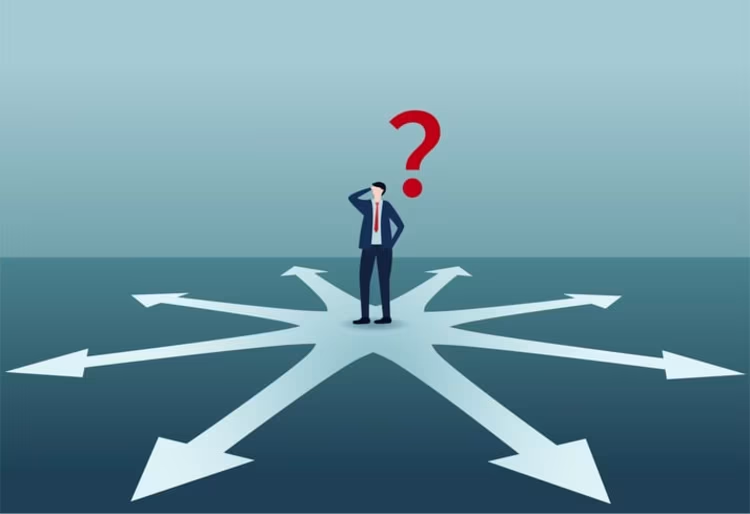
Many young people feel stuck because they believe one wrong decision will ruin their entire life.
They think:
-
“What if I choose the wrong major?”
-
“What if I disappoint my parents?”
-
“What if I waste my time?”
-
“What if I fail?”
So instead of moving forward, they stay frozen.
The truth is this:
Most decisions are directional, not permanent.
Life is not one single make-or-break moment. It’s a series of adjustments.
Healthy decision-making means:
-
making the best choice with the information you have now
-
understanding that clarity often comes after action
-
learning from mistakes instead of shaming yourself for them
-
trusting that growth happens through movement
Waiting for perfect certainty is often just fear wearing a logical mask.
You don’t need to have everything figured out to take the next step.
You just need enough courage to take one step.
(Internal link placeholder to a future blog on decision-making and clarity)
Discipline: Doing What’s Hard Even When Motivation Is Gone
Motivation is temporary. Discipline is what builds your future.
But discipline is often misunderstood. It’s not about being harsh, robotic, or punishing yourself. True discipline comes from self-respect, not self-hatred.
Real discipline looks like:
-
showing up even when you don’t feel like it
-
building small, repeatable habits
-
keeping promises to yourself
-
choosing long-term growth over short-term comfort
Discipline isn’t saying, “I have to do this.”
It’s saying, “My future matters.”
Many young people feel behind not because they lack talent, but because no one taught them how to build consistency without burning out.
Discipline doesn’t mean doing everything.
It means doing the right things consistently.
Relationships & Boundaries: Loving Without Losing Yourself
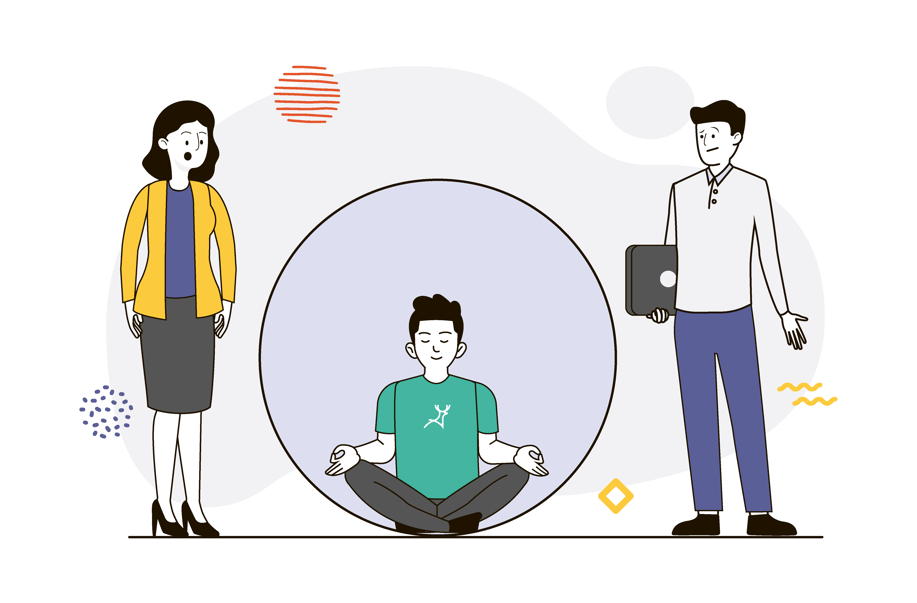
School doesn’t teach you:
-
how to set boundaries
-
how to choose healthy friendships
-
how to communicate honestly
-
how to walk away without guilt
So many young people grow up:
-
overgiving
-
tolerating disrespect
-
staying silent to keep peace
-
feeling drained by relationships
Healthy relationships require:
-
honesty
-
boundaries
-
self-worth
-
mutual respect
Boundaries are not walls.
They are guidelines for how others treat you.
You don’t need to be liked by everyone.
You need to be true to yourself.
This connects with Blog 3: You’re Not Behind — You’re Just Starting, especially around comparison and loneliness (internal link here)
Faith & Inner Life: Building Strength From the Inside Out
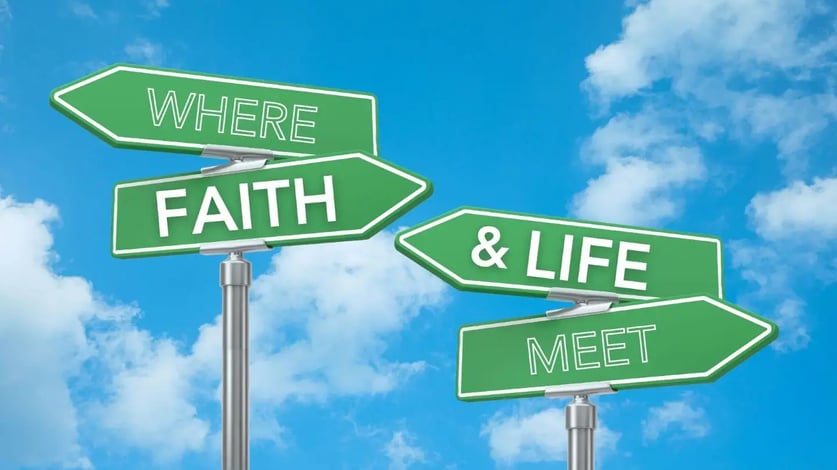
Faith is not just about beliefs — it’s about grounding.
When life feels unstable, faith becomes:
-
your anchor
-
your compass
-
your quiet place of rest
Faith isn’t built in perfection. It’s built in:
-
honest prayers
-
moments of doubt
-
quiet reflection
-
everyday obedience
God doesn’t expect you to have everything figured out.
He invites you to walk with Him while you learn.
Spiritual growth isn’t about doing more — it’s about being present.
Resilience: Learning to Stand Back Up After Life Knocks You Down
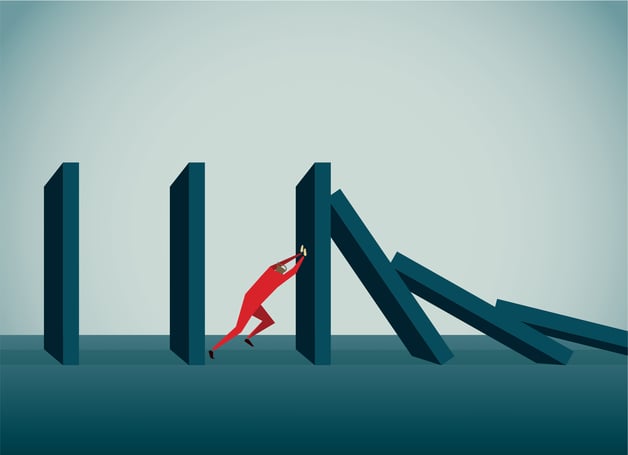
Life will:
-
disappoint you
-
confuse you
-
hurt you
-
break your heart at times
Resilience isn’t avoiding pain.
It’s learning how to recover.
Resilient people:
-
feel deeply
-
reflect honestly
-
grow intentionally
You’re not weak for struggling.
You’re becoming strong by surviving — and learning.
Personal Reflection: Why I Care About This (And Why I’m Writing This)
I wasn’t taught most of these life skills either.
I grew up feeling emotionally unsupported and misunderstood. I didn’t have close friend groups or people constantly checking in on me. There were seasons where I felt spiritually, mentally, and emotionally alone.
That loneliness forced growth — but it also taught me something important:
Guidance matters. Community matters. Mentorship matters.
I learned these skills the hard way.
That’s why I share them now.
You shouldn’t have to figure everything out alone.
Final Encouragement: You’re Not Behind — You’re Being Built
If you take one thing from this blog, let it be this:
-
You’re not late
-
You’re not broken
-
You’re not failing
You’re learning life in real time.
Growth is messy. Becoming yourself takes time. Strength is built — not born.
And if you’re reading this thinking, “I wish someone had guided me through this,” know this: I’ve been there too. If you ever feel called to reflect, grow, or seek guidance, you don’t have to do it alone.
Sometimes the strongest thing you can do
is ask for help.

Leave a Comment